Treatment
Diabetic Wound Care
Why Diabetic Wounds Are Different
Diabetes changes the way the body responds to injury. Nerve damage can dull the sensation that would normally warn you about a developing wound, so a small blister, callus, or pressure point can become an open ulcer before you notice it. At the same time, reduced circulation in the small blood vessels means less oxygen and fewer nutrients reach the tissue that's trying to repair itself.
The result: diabetic wounds form more easily, heal more slowly, and are far more vulnerable to infection than wounds in other patients. The earlier they're seen by a wound specialist, the better the outcome — most diabetic foot ulcers respond very well when treated quickly with the right combination of wound care and offloading.
Our Approach
How We Treat Diabetic Wounds
Every visit starts with a full foot assessment — checking sensation, pulses, and the surrounding skin — along with a vascular screening when circulation is in question. We measure and photograph the wound so we have a clear baseline and can track real progress over time.
Treatment combines the wound care fundamentals: gentle debridement when indicated, infection control, advanced dressings matched to moisture level, offloading guidance, and a practical conversation about footwear, inserts, and what to wear at home.
Diabetic wound care rarely happens in isolation. We coordinate with your primary care doctor, endocrinologist, podiatrist, and home health agency as needed — sharing visit notes so everyone is working from the same plan. Care is delivered at our Albuquerque clinic for outpatients and at the bedside for patients in skilled nursing facilities, LTACHs, and home-health settings.
Common Cases
Wounds We See Every Week
Diabetic Foot Ulcers
Wounds on the bottom or sides of the foot, often from pressure or unnoticed injury. Offloading is critical.
Lower-Leg Ulcers
Diabetes-related wounds on the calf or shin, often complicated by circulation issues.
Post-Amputation Wound Care
Care for wounds at amputation sites, in coordination with your surgical team.
Daily Care at Home
What You Do Between Visits Matters
Healing happens between visits as much as during them. Keeping pressure off the wound — using the offloading device, boot, or shoe we recommend — is the single biggest thing you can do at home. Resist the urge to "just walk on it for a minute"; even short bursts of pressure can set healing back days.
Check the other foot every day for new redness, blisters, or skin changes — wounds often show up on the foot you weren't watching. Watch for warning signs around the wound itself: spreading redness, increased drainage, a bad smell, new pain, or fever. If you see any of those, call us right away rather than waiting for your next visit.
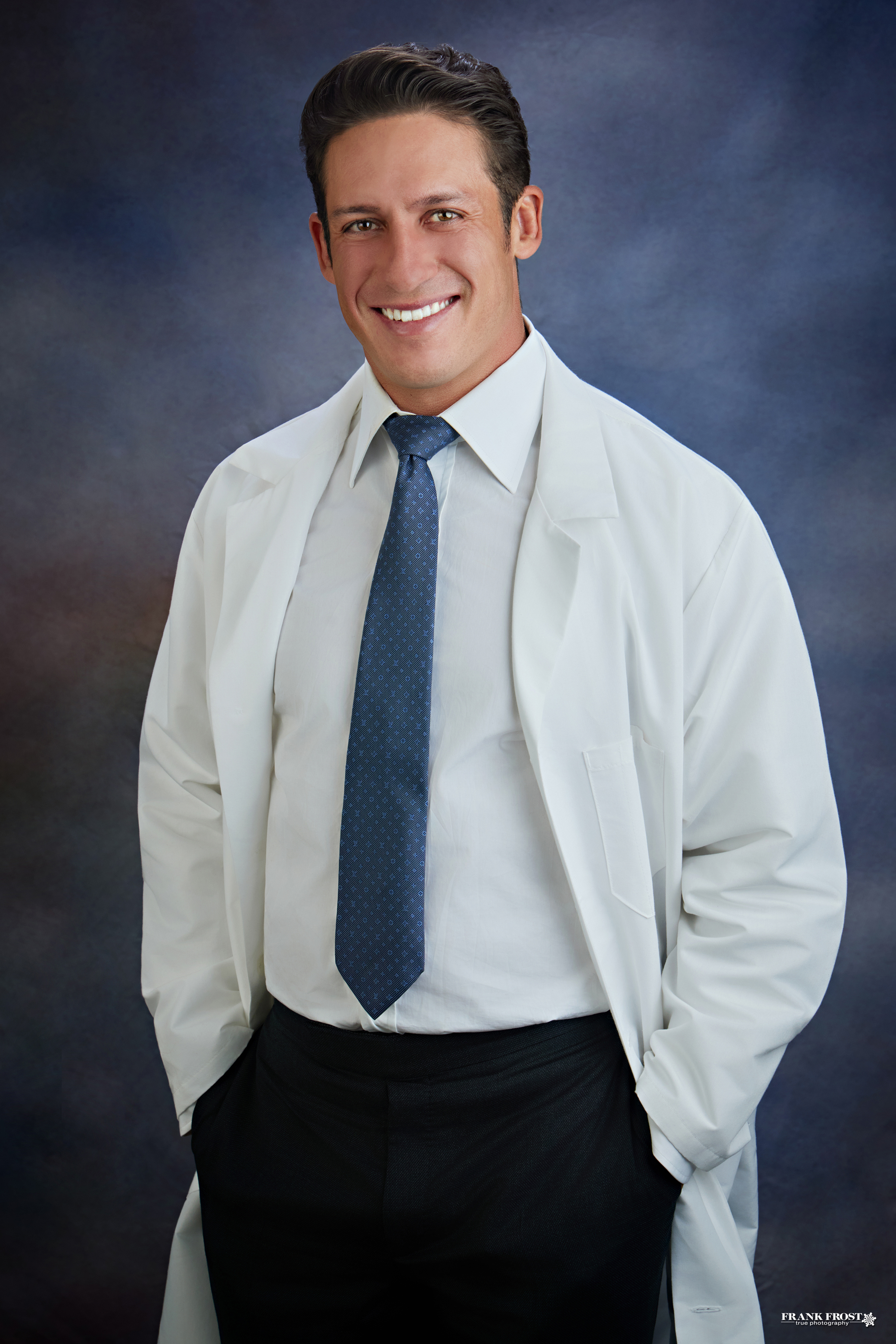
Meet Your Physician
Dr. Christopher Dominguez
Medical Director, Nexcell
Dr. Dominguez leads our wound care team in Albuquerque. He works closely with patients, primary care providers, and specialists across New Mexico to develop individualized treatment plans for chronic, diabetic, post-surgical, and pressure-related wounds.
FAQs
Common Questions
Diabetic Foot Ulcer care
Get your Diabetic Foot Ulcer evaluated by a surgeon.
Self-referral welcome. Most diabetic Foot Ulcer patients are seen within one week at our Albuquerque clinic — or at bedside through our partnering facilities.